You want a massage, but you’re stuck. Swedish, deep tissue, or Thai? The names alone don’t tell you much. Book the wrong one and you might end up with light, relaxing strokes when what you really needed was firm pressure on that knot in your shoulder. Or the other way around.
This guide breaks down all three in plain terms. No spa-speak. Just what each one actually feels like, what it’s good for, and how to pick the right one for you.
The quick answer, if you’re in a hurry
-
- Want deep relaxation and stress relief? Go Swedish.
-
- Want firm pressure to release chronic tension or pain? Go deep tissue.
-
- Want a full-body stretch that leaves you feeling looser and more mobile? Go Thai.
Still not sure? Keep reading. We’ll walk through each one properly.
What is a Swedish massage?
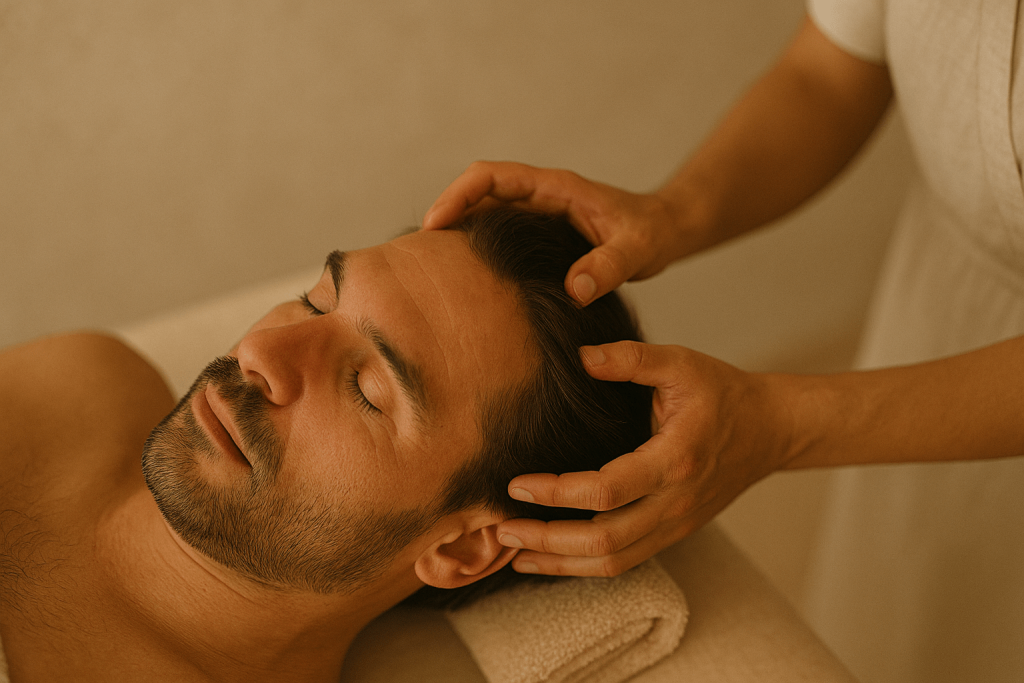
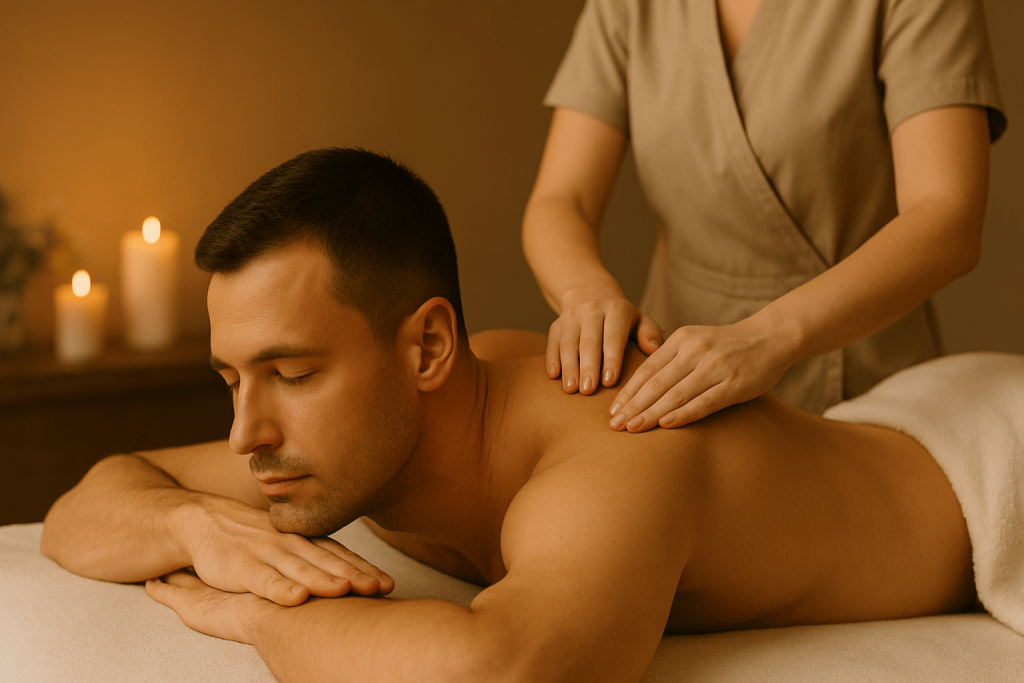
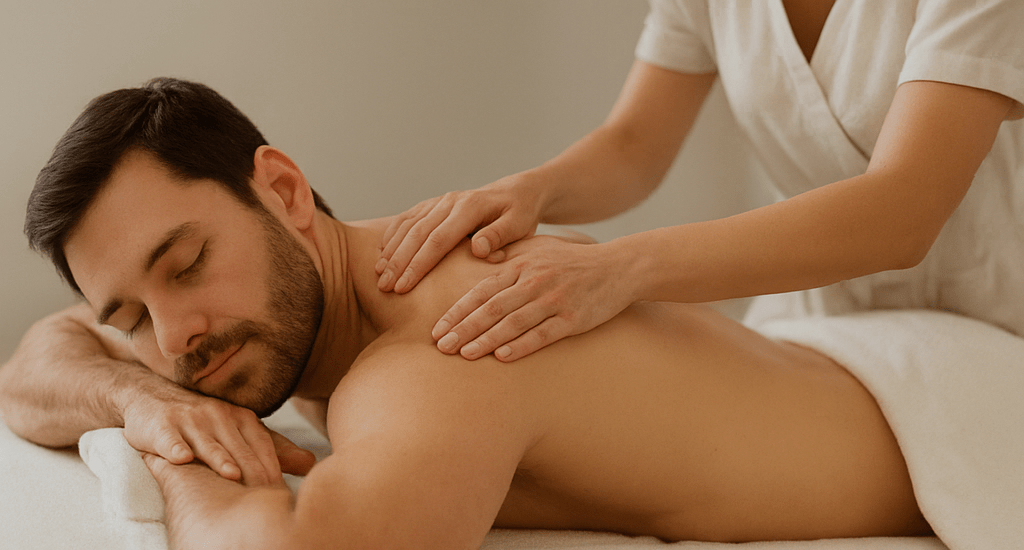
Swedish massage is the classic, gentle, full-body massage most people picture when they hear the word “massage.” It uses long, flowing strokes, kneading, and light to medium pressure. The goal is relaxation first, muscle relief second.
You’ll usually be undressed under a sheet or towel, with the therapist working directly on your skin using oil or lotion. The pace is slow and smooth. Many people find it genuinely calming enough to fall asleep during the session.
Swedish massage suits you if you’re dealing with general stress, want to unwind, or you’re new to massage and not sure how your body will respond to firmer pressure. It’s also a gentle starting point if you’ve never had a professional massage before.
Typical benefits: lower stress levels, better sleep that night, reduced muscle tension, and an overall sense of calm that can last for days.
What is a deep tissue massage?
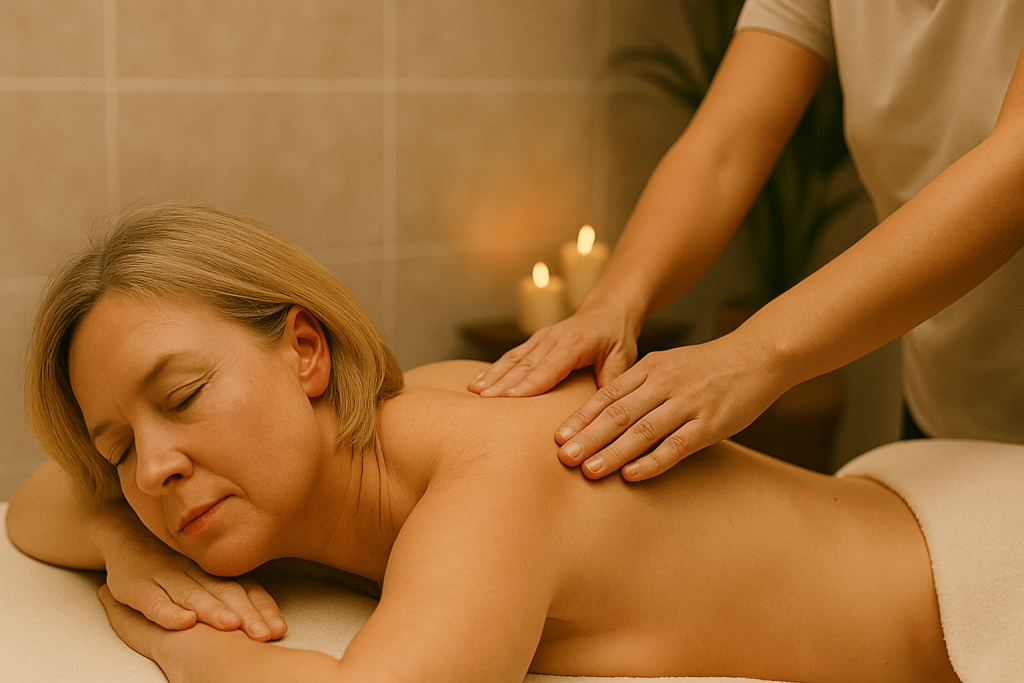
Deep tissue massage uses much firmer pressure. The therapist works slowly into deeper layers of muscle, often using their forearms, elbows, or knuckles to reach tension that sits below the surface. It targets chronic tightness, old injuries, and specific problem spots like a stiff neck or a tight lower back.
It can feel intense, sometimes even a little uncomfortable in the moment, especially on your first visit. That’s normal. A good therapist will always check in with you and adjust the pressure to something you can manage. You might feel a bit tender the next day, similar to how your muscles feel after a hard workout.
Deep tissue suits you if you carry tension in specific spots, sit at a desk all day, deal with chronic pain, or you’ve tried gentler massage before and found it didn’t touch the tightness underneath.
Typical benefits: relief from chronic tension, better range of motion in stiff joints, reduced pain in problem areas, and a real sense of looseness once the soreness settles.
What is a Thai massage?
Thai massage is different from the other two in almost every way. You stay fully clothed, usually in loose, comfortable clothing provided by the therapist. Instead of lying still on a table, the therapist guides your body through a series of stretches, using their hands, knees, legs, and feet to apply pressure along energy lines and stretch your muscles and joints.
It’s sometimes described as “assisted yoga.” Expect to be pulled, twisted, and stretched into positions you probably wouldn’t do on your own. It works your flexibility as much as your muscles, and many people leave feeling taller and looser, almost like they’ve had a full workout and a massage at once.
Thai massage suits you if you deal with stiffness or reduced flexibility, you enjoy stretching or yoga, or you want a more active, full-body treatment rather than lying passively on a table.
Typical benefits: improved flexibility, better posture, increased circulation, and a burst of energy that many people compare to how they feel after a good workout.
Swedish vs deep tissue vs Thai: a side-by-side look
| Swedish | Deep Tissue | Thai | |
|---|---|---|---|
| Pressure level | Light to medium | Firm to intense | Varies — pressure + stretching |
| Clothing | Sheet/towel, bare skin | Sheet/towel, bare skin | Fully clothed |
| Pace | Slow and flowing | Slow and focused | Active and dynamic |
| Best for | Relaxation, stress relief | Chronic tension, pain | Flexibility, mobility |
| Feel afterward | Calm and loose | A little tender, like post-workout | Stretched out and energised |
How to choose based on what you actually need
Think about your goal first, not the massage name.
If you simply want to switch off and de-stress, choose Swedish. It’s the gentlest introduction and the one least likely to leave you sore afterward.
If you have a specific area that’s tight, painful, or been bothering you for weeks, choose deep tissue. It’s built to work into problem areas that lighter pressure can’t reach.
If you feel stiff, inflexible, or like your body needs to move rather than just be worked on, choose Thai. It’s the closest thing to combining a massage with a stretching session.
If you genuinely can’t decide, tell your therapist what’s going on with your body when you book. A good therapist can also blend techniques within a single session, easing you in gently before working into firmer pressure where you need it.
Can you combine them?
Yes. Many clients don’t stick to just one type forever. It’s common to start with Swedish if you’re new to massage, then move toward deep tissue once you know how your body responds to firmer pressure. Others alternate between Thai for flexibility and deep tissue for targeted tension, depending on what their body needs that week.
If you’re weighing up a gentler option that isn’t quite a massage at all, our guide to what Reiki healing actually involves is worth a read too. It’s a completely different, hands-off approach to relaxation, and some clients pair it with massage for a fuller reset.
First time trying any of these?
If you’ve never had a professional massage before, don’t overthink it. Tell your therapist that it’s your first time. They’ll walk you through what to expect, check in on pressure throughout, and adjust anything that doesn’t feel right. There’s no such thing as a wrong question to ask before your session starts.
Most first-timers choose Swedish massage simply because it’s the gentlest way to get used to the experience. But if you already know you carry a lot of tension, there’s nothing wrong with starting straight into deep tissue. Trust what your body is telling you.
Frequently asked questions
Which massage is best for back pain? Deep tissue is usually the better choice for ongoing back pain, since it works directly into the muscle layers causing the tightness. Swedish can help with general tension, but it won’t reach as deep.
Is deep tissue massage painful? It can feel intense in the moment, particularly on tight spots, but it shouldn’t be outright painful. Tell your therapist if the pressure feels like too much. They’ll always adjust it.
Can I fall asleep during a Swedish massage? Absolutely. It happens all the time. The slow, steady pressure is designed to help you fully switch off.
Do I need to be flexible for Thai massage? No. Your therapist works within your current range of movement and never forces a stretch you can’t manage. It gets easier and deeper the more sessions you have.
Which one is best for a first massage? Swedish is the easiest starting point for most first-timers. It lets you get comfortable with being touched by a therapist before trying anything firmer.
Can I request a mix of styles in one session? Yes. Just mention it when you book, or let your therapist know at the start of your session what you’d like more or less of.
How long does each massage last? Most sessions run 45 to 60 minutes, though shorter or longer options are often available depending on what you need that day.
Will I be sore after deep tissue massage? Some clients feel mild soreness the next day, especially after their first session or if a lot of tension was released. It usually settles within a day or two, and drinking water afterward can help.
Ready to book?
Now that you know the difference, the easiest next step is simply booking whichever one matches what your body needs this week. We offer Swedish, deep tissue, and Thai massage daily from 11am to 9pm at Unit 2A The Coombe, The Liberties, Dublin 8.
 Book your Swedish massage Book your deep tissue massage Book your Thai massage
  Call or text 089 252 4848 if you’d like help deciding
  Follow us on Instagram @healing.massage.reiki.dublin to see the treatments in action