Searching for a full body massage in Dublin usually means one thing. You want to switch off, head to toe, without thinking too hard about which technique to pick. This guide covers exactly what’s included, how a session runs from start to finish, and how to choose the right style for you.
What is a full body massage?
A full body massage is exactly what it sounds like. Rather than focusing on one area, like just your back or shoulders, your therapist works through your whole body in a single session. This usually includes your back, shoulders, arms, and legs. Often your neck and scalp too, depending on what you’d like included.
It’s less about one specific technique and more about the scope of the treatment. A full body massage can use Swedish strokes, deep tissue pressure, or a mix of both. It depends on what you book, and what you need that day.
What’s typically included in a full body massage?
Most full body massage sessions at a proper clinic follow a similar structure, even if the exact technique varies.
- A short consultation first. Your therapist asks about any areas of tension, injuries, or preferences before you start. This means the session gets tailored to you, rather than following a fixed script.
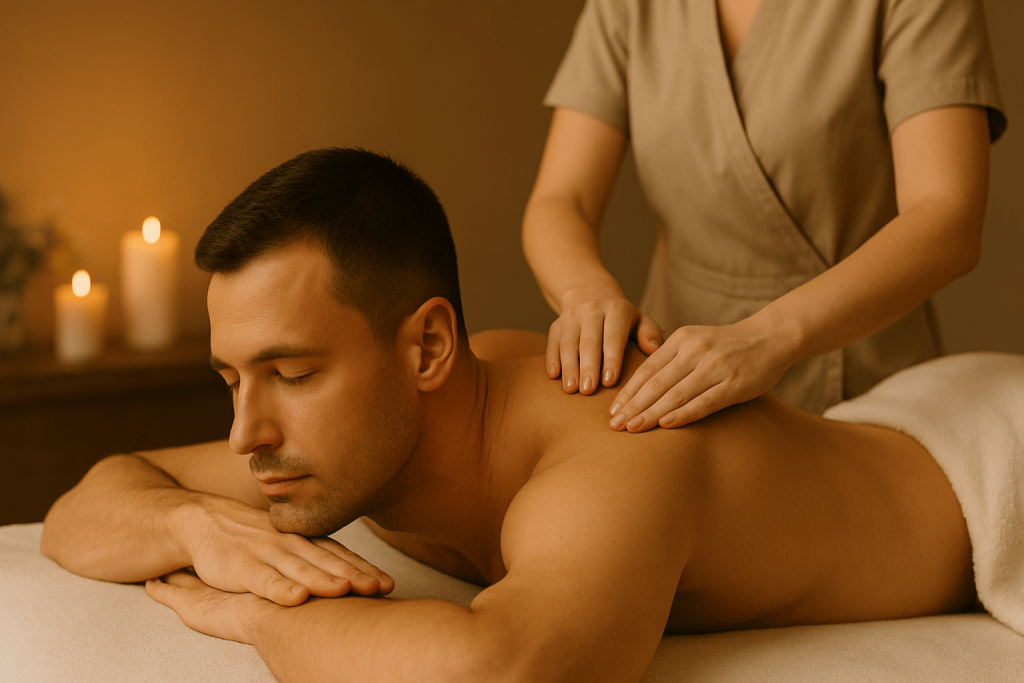
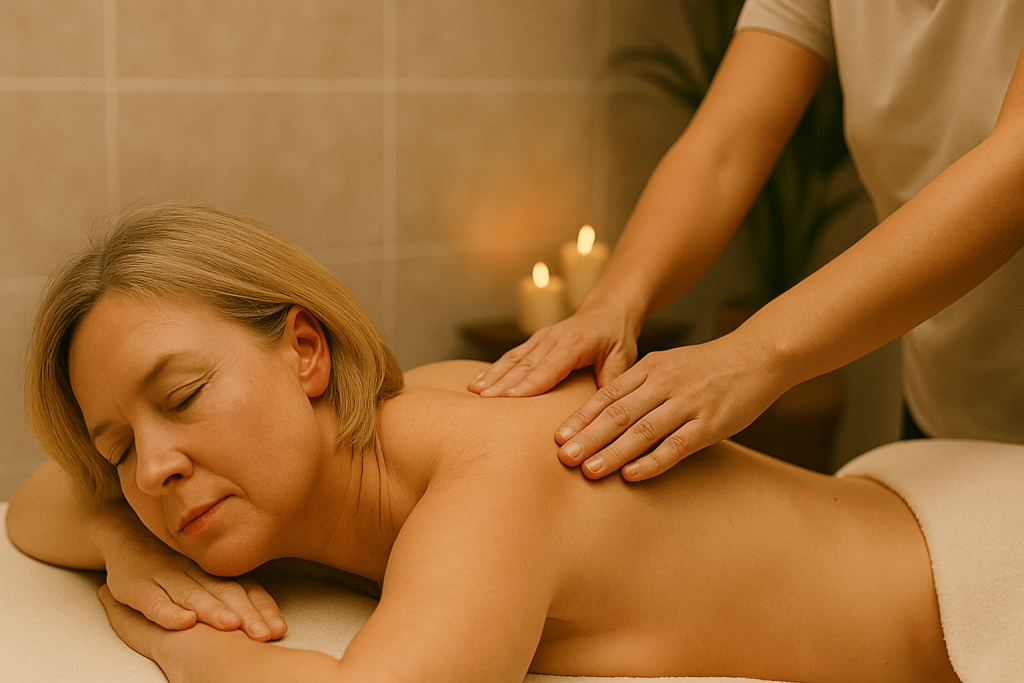
- Your back and shoulders. Sessions usually begin here. It’s an area most people carry a lot of tension, especially from desk work or stress.
- Your arms and legs. Long, smooth strokes work through your limbs. This helps release tension and boost circulation, from your shoulders and hips right down to your hands and feet.
- Your neck. Gentle work around your neck helps release tightness that often builds up from screen time or poor posture.
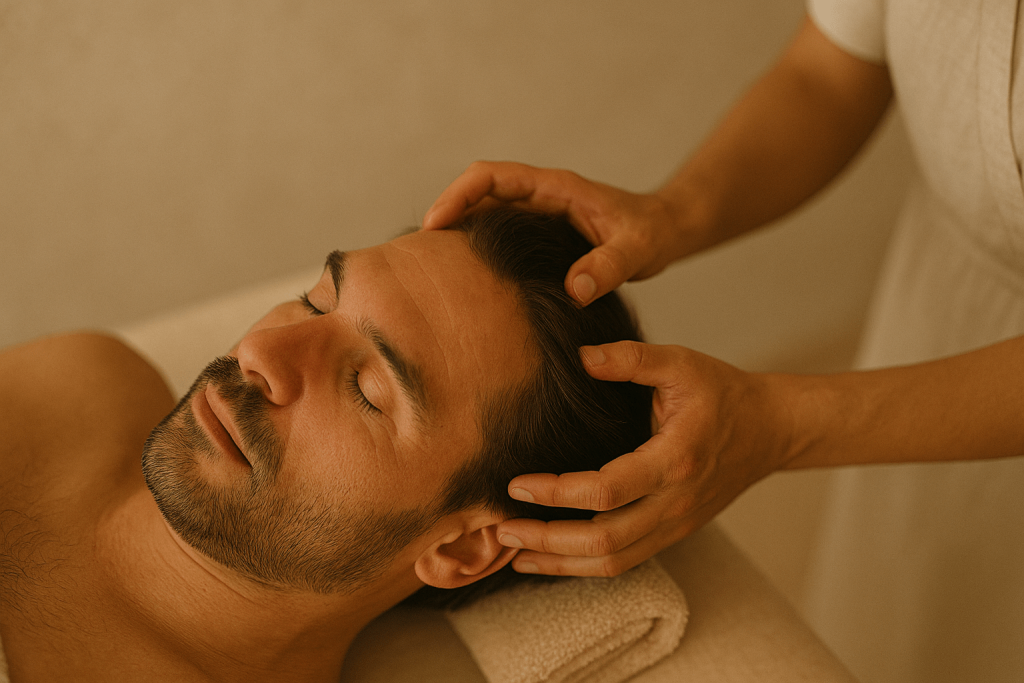
- Optional scalp or foot work. Depending on the session length and your preference, many therapists finish with a few minutes on your scalp or feet. A lot of clients find this especially relaxing.
A full body massage typically covers all of this in one session, giving you a genuinely complete treatment rather than just one isolated area.
The main types of full body massage
Not every full body massage feels the same. The technique your therapist uses changes the whole experience.
Swedish massage is the classic choice for a full body session. It uses long, flowing strokes and light to medium pressure. It’s built mainly around relaxation. Want to properly switch off? This is usually the right pick.
Deep tissue massage also works your full body, but with firmer pressure. It aims at releasing chronic tension. It suits you better if you’re carrying specific tight spots, rather than looking for pure relaxation.
Thai massage takes a different full body approach entirely. It combines stretching with pressure, while you stay fully clothed. It’s a good option if flexibility and mobility matter to you as much as muscle relief.
Not sure which one fits? Our guide comparing Swedish, deep tissue, and Thai massage breaks down the differences so you can pick with confidence.
How long does a full body massage take?
Most full body sessions run 45 to 60 minutes. Shorter 30-minute options are often available too, if you’re short on time and want the essentials. Longer sessions, around 75 to 90 minutes, let your therapist work more slowly and thoroughly. Some clients prefer this for a deeper reset.
What does a full body massage cost in Dublin?
Prices vary depending on the technique and session length you choose. As a general guide, a 30-minute session often starts around €40. A 45-minute session runs around €60, and a full 60-minute session around €70. Deep tissue and specialist techniques can sometimes cost a little more, due to the added skill and time involved.
What to expect during your session
You’ll arrive a few minutes early to get settled. You’ll have a quick chat with your therapist about what you’d like from the session. Then you’ll get comfortable on a treatment table, usually undressed to your comfort level under a sheet or towel.
Your therapist works through your body in a logical sequence. They adjust pressure based on your feedback throughout. Good communication matters here. Never hesitate to say if something feels too firm, too light, or if you’d like more time on a particular area.
Afterward, you’ll have a few minutes to get dressed and gather yourself before heading back out into your day. Many clients feel noticeably lighter and calmer for the rest of the day. Sometimes the effect lasts for several days.
Can you customise a full body massage?
Yes, and it’s worth asking. Many therapists happily blend techniques within a single session. They might start gentle and ease into firmer pressure on your tightest areas. Or focus extra time on a specific spot that’s bothering you. Let your therapist know your priorities at the start, so they can shape the session around you.
If puffiness or fluid retention is more your concern than muscle tension, lymphatic drainage massage follows a gentler, different approach entirely and might be worth considering instead of, or alongside, a full body session.
Full body massage vs targeted treatments
Sometimes you don’t actually need your whole body worked on. If you’re only dealing with tension in one specific area, like your back, neck, and shoulders, a targeted treatment can get straight to the point without spending time on areas that don’t need it. If you’re mainly managing puffiness rather than muscle tension, lymphatic drainage massage takes a gentler, different approach altogether.
A full body massage makes the most sense when you want an all-over reset, rather than solving one specific problem. If you’re not sure which fits your situation, mention it when you book and your therapist can help you decide.
Who is a full body massage best for?
A full body massage suits you well if you want a complete reset rather than targeting one specific problem area. It’s a great choice if you’re new to massage and not sure exactly what you need yet, since a good therapist can adjust as they go based on what they find. It also works well as a regular self-care treatment, since covering your whole body gives your therapist a chance to catch tension building up anywhere, not just the spot you happened to notice yourself.
Signs a full body massage is what you need
A few signs suggest a full body session is the right call. You can’t point to one specific area that’s bothering you, it’s more of a general, all-over feeling of tension. You want a proper reset rather than a quick fix for one spot. Or you simply want the most complete treatment available, covering as much ground as possible in a single visit.
None of these are strict rules, and there’s nothing wrong with simply wanting to feel looked after from head to toe.
How to prepare for your session
There’s no special preparation needed. Wear something comfortable to and from your appointment, and try to arrive a few minutes early rather than rushing straight in, since a calmer start tends to make the whole session more relaxing. Avoid a heavy meal right beforehand, and let your therapist know about any injuries, sensitivities, or areas you’d like them to avoid.
Frequently asked questions
What should I wear during a full body massage? You’ll undress to your comfort level, and stay covered with a sheet or towel throughout, with only the area being worked on ever uncovered.
Can I request more focus on one area during a full body massage? Absolutely. Just let your therapist know at the start, or during the session if something feels particularly tight.
Is a full body massage the same as a deep tissue massage? Not necessarily. Full body just describes the scope of the treatment, covering your whole body, while deep tissue describes the pressure and technique used. You can get a full body massage using Swedish, deep tissue, or a blend of both.
How often should I get a full body massage? For general relaxation, once every three to four weeks works well for a lot of people. If you’re managing specific tension, more frequent sessions can help, tapering off as things improve.
Is a full body massage suitable for a first massage? Yes, it’s actually a great starting point, since it gives your therapist a full picture of where you’re holding tension, which helps guide future sessions too.
Can I fall asleep during a full body massage? Very common, especially during a Swedish-style session. Your therapist won’t mind at all if you drift off.
Ready to book?
Whether you want deep relaxation, firm pressure on specific tension, or something in between, a full body massage is a simple way to reset from head to toe. We offer full body massage daily from 11am to 9pm at Unit 2A The Coombe, The Liberties, Dublin 8.
👉 Book your full body massage 📞 Call or text 089 252 4848 if you’d like help choosing the right style for you 📸 Follow us on Instagram @healing.massage.reiki.dublin to see real sessions and client results