Sore after a hard session. Stiff before a big event. Slow to bounce back the way you used to. Sound familiar? Sports massage might be the missing piece in your training routine. This guide covers what it involves, how it speeds up recovery, and when to book it around your training.
What is sports massage?
Sports massage is a massage technique built for active bodies. It combines firm, targeted pressure with stretching and mobility work. It aims at the muscles you actually use in training. That could be running, lifting, cycling, or team sport.
Unlike a purely relaxing massage, sports massage has a clear purpose. It’s built to support your training, not just help you switch off. Your therapist works with your goals in mind. Maybe you’re preparing for an event, recovering from one, or simply managing the wear and tear of regular training.
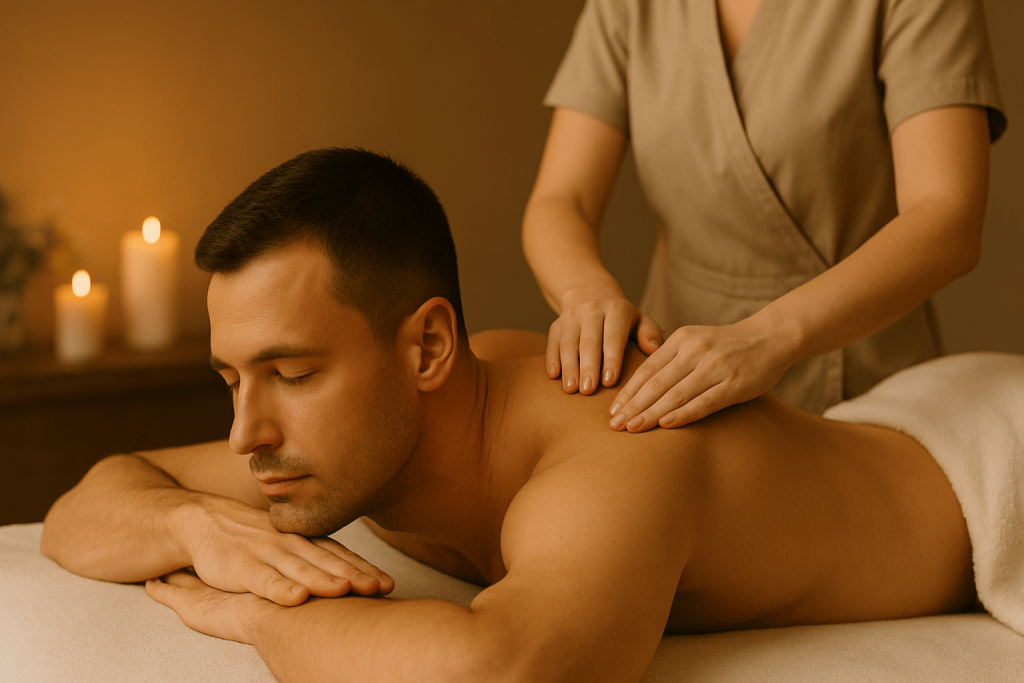
You’ll usually stay partly clothed or undressed to your comfort level, similar to a deep tissue massage. Your therapist focuses on the specific muscle groups you work hardest in your sport.
How does sports massage work?
Your therapist starts by asking about your training. What sport do you do? How often do you train? Where do you feel tight, sore, or restricted? This shapes the whole session. It’s not a generic full body routine.
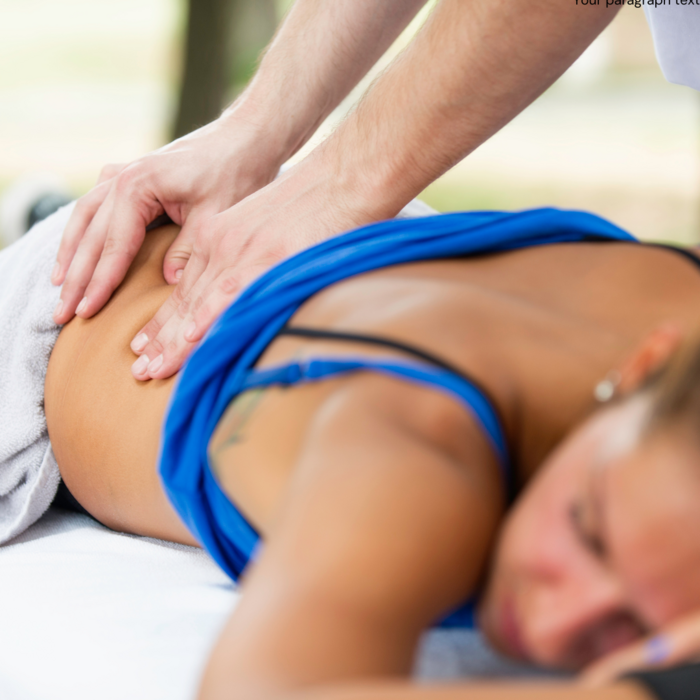
From there, they work through firm, focused pressure on the muscles under strain. This is often combined with stretching, to help restore your full range of motion. Some sessions include quicker, more stimulating strokes if you’re preparing for an event. Others use slower, deeper work if you’re recovering from one.
The techniques often overlap with deep tissue massage. But sports massage targets athletic movement patterns and recovery goals more directly, rather than just general tension relief.
What are the real benefits of sports massage?
- Faster recovery between sessions. Massage boosts blood flow to tired muscles. This clears out waste products from hard training. It also brings in fresh oxygen and nutrients to support repair.
- Reduced muscle soreness. Regular sports massage can genuinely soften delayed onset muscle soreness. That’s the stiffness that shows up a day or two after a hard workout.
- Better flexibility and range of motion. The stretching helps keep your muscles and joints moving freely. This matters just as much for performance as raw strength does.
- Lower injury risk over time. Tight, overworked muscles are more prone to strain and injury. Regular sports massage helps catch and release that tightness, before it turns into a bigger problem.
- Mental readiness before an event. A pre-event session can help settle your nerves and get your body feeling primed. That’s different from the deeper recovery work you’d book afterward.
What to expect during a sports massage session
Your therapist will ask about your sport, your training schedule, and any areas of concern before starting. This helps them decide the focus. Maybe it’s pre-event preparation, post-event recovery, or ongoing maintenance.
You’ll typically lie on a treatment table. Your therapist works through the muscle groups most relevant to your activity. Expect firmer pressure than a relaxing massage, along with stretching and mobility work woven throughout. It can feel intense in places, particularly over tight or overworked muscles. But it shouldn’t be outright painful.
Sessions usually run 45 to 60 minutes, depending on how much ground needs covering. Afterward, you might feel a little tender. It feels similar to a solid training session, and it typically settles within a day.
Sports massage before an event vs after
The timing of your session changes what it should focus on. Before an event, a lighter, more stimulating session works best. It aims to wake up your muscles and get your body ready to perform. This is different from digging into deep tension, which might leave you feeling flat on the day.
After an event, or a particularly hard training block, a deeper, slower session supports recovery. This is when your body benefits most from the increased blood flow and muscle release. It helps you bounce back faster for your next session.
How sports massage compares to other treatments
Sports massage shares a lot with deep tissue massage. Both use firm pressure to work into deeper muscle layers. The main difference is focus. Deep tissue massage targets general chronic tension anywhere in your body. Sports massage is built specifically around your training and the movement patterns of your sport. Not sure which suits you better? Our guide comparing Swedish, deep tissue, and Thai massage can help you think through the basics.
If flexibility and mobility are more your focus than pure recovery, Thai massage is also worth considering. The stretching overlaps with what sports massage offers, just delivered in a different style.
Got particularly stubborn, localised tightness that regular pressure hasn’t fully released? Some athletes also add cupping therapy into their recovery routine alongside sports massage.
Who benefits most from sports massage?
This treatment suits you well if you train regularly. Running, gym work, cycling, team sport, it all counts. It helps if you want faster recovery between sessions. It also helps if you’re prepping for an event and want your body feeling primed. Or if ongoing tightness seems to follow your training no matter what you do.
You don’t need to be a competitive athlete to benefit. Plenty of clients book sports massage simply because they train regularly for fitness, and want to recover better between sessions.
Signs it’s time to book a sports massage
Not sure if now’s the right time? A few common signs suggest it’s worth booking. You’ve had a noticeably harder training block than usual, and your body is telling you about it. You’re preparing for a race, match, or event in the next week or two. You’ve noticed the same tight spot keeps coming back no matter how much you stretch or foam roll at home. Or you simply haven’t had a massage in a while and your recovery has started to feel slower than it used to.
None of these need to be extreme to count. If you’re already asking the question, it’s usually worth booking.
How often should you get sports massage?
This depends heavily on your training schedule. Many active clients book a session every one to two weeks. They often time it around harder training blocks or right after a big event. Managing a specific tight spot, or recovering from an intense training period? Closer sessions for a short stretch can help, tapering off once things settle.
What to do after your session
A few simple habits help you get the most out of sports massage. Drink plenty of water afterward, since this supports the increased blood flow the treatment creates. Keep your next training session light if you can, especially if the massage was quite deep, giving your muscles a proper chance to recover. Gentle movement, like a short walk, is fine and can even help. Avoid jumping straight into an intense session on the same muscles you just had worked on.
A simple way to build it into your training
If you’re not sure where to start, try booking one session after your next hard training block or event, and see how your body responds. From there, you can build a rhythm that fits your training calendar, whether that’s a monthly reset or something closer around your biggest sessions of the month.
Frequently asked questions
Is sports massage only for athletes? No. It’s genuinely useful for anyone who trains regularly. That includes serious competition, or simply staying active and fit.
Does sports massage hurt? It can feel intense in places, especially on tight muscles. But it shouldn’t be outright painful. Tell your therapist if the pressure feels like too much. They’ll adjust it.
Should I get a sports massage before or after a race? Generally, a lighter session a few days before helps you feel ready without leaving you sore. A deeper session afterward supports recovery instead. Ask your therapist to tailor the session to your timing.
Can sports massage help prevent injuries? It can help by catching tight, overworked muscles before they become a bigger problem. It isn’t a guarantee against injury on its own, though.
How is sports massage different from deep tissue massage? Both use firm pressure. But sports massage is built specifically around your training and sport. It often includes more stretching and mobility work than a standard deep tissue session.
Will I be sore after a sports massage? Some mild soreness the next day is common. This is especially true after your first session, or a lot of tension release. It usually settles within a day, similar to post-workout soreness.
Ready to book?
Training for an event? Managing regular tightness? Or simply want to recover faster between sessions? Sports massage is worth adding to your routine. We offer sports massage daily from 11am to 9pm at Unit 2A The Coombe, The Liberties, Dublin 8.
👉 Book your sports massage 📞 Call or text 089 252 4848 if you have any questions before booking 📸 Follow us on Instagram @healing.massage.reiki.dublin to see real sessions and real client results