You’ve seen the marks. Round, purple circles on an athlete’s back or shoulders after a big event. That’s cupping therapy, and it looks a lot more dramatic than it actually feels. This guide explains what cupping really is, what those marks mean, and whether it’s worth trying.
What is cupping therapy?
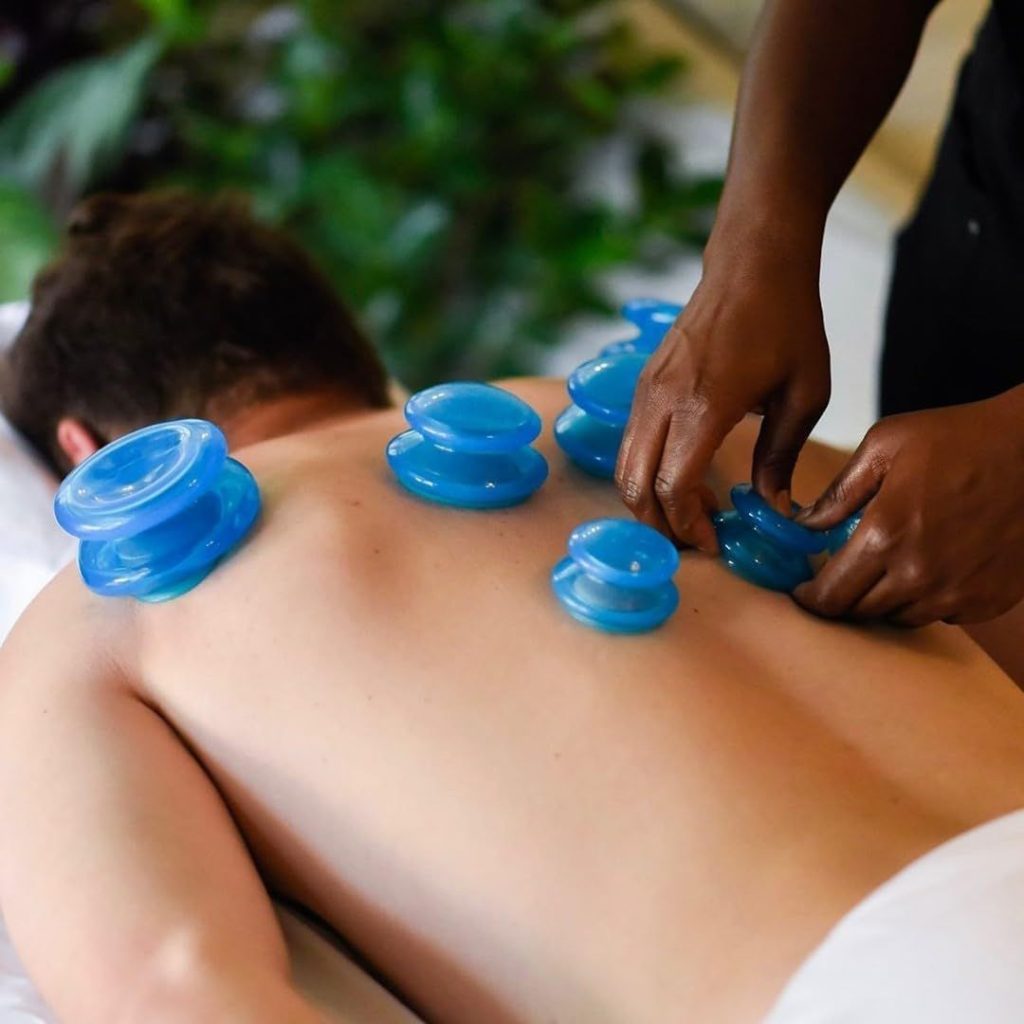
Cupping therapy is an old healing technique. It uses small cups. They’re usually made of glass, silicone, or plastic. Your therapist places them on your skin. The cups create suction. That suction gently pulls your skin up into the cup, along with the tissue just underneath.
The practice goes back thousands of years. It has roots in ancient Chinese and Middle Eastern medicine. Today, massage therapists use it. So do physiotherapists. Even top athletes use it as part of recovery and muscle care.
Think of the suction as the reverse of a massage. A normal massage presses down into your muscles. Cupping pulls tissue upward instead. Both aim to boost blood flow. Both help ease tight, stuck muscle tissue. They just work from opposite directions.
How does cupping therapy work?
Your therapist places the cups on specific areas. This is often your back, shoulders, or legs, wherever you hold tension. Once the cup is in place, it creates suction. This draws blood to the surface of your skin.
There are two main styles you’ll come across. Static cupping leaves the cups in one place for several minutes. Moving cupping is different. It’s sometimes called massage cupping. Your therapist glides the cups across your skin using a bit of oil, much like they’d use their hands in a regular massage.
Most modern cupping uses simple suction pumps. Some therapists use silicone cups that you squeeze to create the vacuum. This is far more common today than the old-fashioned method using fire, which some people still picture when they hear the word “cupping.” At Healing Massage & Reiki, we use dry cupping with silicone cups — safe, gentle, and comfortable.
What are the real benefits of cupping therapy?
- Better blood flow. The suction draws blood toward the surface, which can help bring fresh oxygen and nutrients to tight or tired muscles.
- Looser, less tense muscles. Many clients say cupping helps ease tightness in a similar way to a deep tissue massage, just through a different mechanism.
- Reduced pain in specific spots. Cupping is often used on chronic problem areas, like a stiff neck or tight shoulders, and many people report real relief after a session or a short course of sessions.
- A different kind of recovery tool. Athletes often use cupping between training sessions to support recovery and keep muscles feeling fresh, alongside their regular training routine.
- A relaxing, unique sensation. Once you get past the initial strangeness of the suction, many clients find the sensation surprisingly relaxing, almost like a gentle pulling hug on tight muscles.
It’s worth saying plainly that cupping isn’t magic. It works best as part of a broader routine that includes movement, good sleep, and other therapies rather than a stand-alone fix for every issue.
Do the cupping marks hurt? What do they actually mean?
This is usually the first question anyone asks. The round marks are not bruises in the usual sense. Here’s why they happen. The suction pulls blood to the surface of your skin. This causes small blood vessels near the surface to open up a little. The mark is really just extra blood flow showing through your skin.
The marks are usually painless. Most people say the area feels a bit tender, similar to a deep muscle ache. It’s not sore like a real bruise. The color can range from light pink to deep purple. This depends on how much tension was in that spot, and how sensitive your skin is.
The marks typically fade within a few days to about a week. If an area was especially tight, the mark can look darker. That’s because more blood gets drawn to that spot. It’s usually a sign of built-up tension, not something to worry about.
What to expect during a cupping session
Your therapist will start by asking where you’re holding tension and what you’d like the session to focus on. This helps them decide where to place the cups.
You’ll lie down, and the cups go directly on your skin, usually with a little oil underneath for moving cupping. You’ll feel a gentle pulling sensation as the suction takes hold. It’s different from anything else, but most people find it comfortable within the first minute or two.
Cups might stay in place for a few minutes, or your therapist might glide them slowly across the area, depending on the style being used. A full session often combines cupping with other techniques, like a regular massage, in the same appointment.
Sessions typically run 30 to 60 minutes, depending on whether cupping is the whole treatment or added to another massage. Afterward, you’re free to go about your day as normal.
Who should be cautious with cupping therapy?
A good therapist will always check your health history before starting. Mention it to your therapist first, and check with your doctor too, if any of these apply to you: you have a bleeding disorder, you take blood thinning medication, you have a skin condition or open wound in the area, or you’re pregnant.
Cupping also isn’t recommended directly over varicose veins or areas of broken skin. Your therapist will avoid these spots and work around them.
Cupping vs deep tissue massage
Both aim to release tight, tense muscles. But they work in opposite ways. Deep tissue massage presses down into your muscles with firm pressure. Cupping pulls tissue upward using suction instead. Some clients find cupping reaches tension that pressure alone can’t quite touch. Others prefer the more familiar feel of deep tissue work.
You don’t have to choose just one. Many clients combine the two in a single session, using cupping on particularly stubborn spots and regular massage for everything else. If you’re weighing up your options more broadly, our guide comparing Swedish, deep tissue, and Thai massage is a useful starting point.
If puffiness or fluid retention is more your concern than muscle tightness, a gentler option like lymphatic drainage massage might suit you better than cupping.
Signs cupping might be right for you
Not sure if cupping is worth trying? A few common signs suggest it could help. You have one or two specific tight spots that regular massage never quite seems to fully release. You’re an active person, whether that’s running, lifting, or playing sport, and you’re looking for a new recovery tool. You’ve tried deep tissue massage before and want to try something with a different feel. Or you’re simply curious after seeing the marks on someone else and want to understand what it actually involves.
None of these are strict rules. The best way to know if cupping suits you is to try a single session and see how your body responds.
What to do after your session
A few simple habits help you get the most from cupping. Drink plenty of water afterward, since this supports the extra blood flow the treatment creates. Avoid direct sun on the treated area for a day or two while any marks are visible, since sensitive skin can react more to sun exposure right after a session. Light movement, like a gentle walk, is fine and often helpful. Avoid intense exercise on the treated muscles for the rest of that day, giving your body time to settle.
Frequently asked questions
How long do cupping marks last? Most marks fade within three to seven days, though it can take up to two weeks if the tension in that area was significant.
Does cupping hurt? The suction feels unusual at first but shouldn’t be painful. Most people find it comfortable once they settle into the sensation. Tell your therapist if anything feels too intense.
How often can I get cupping? Many clients space sessions about a week or two apart, especially if they’re using it to work on a specific problem area. Your therapist can suggest a schedule based on what you need.
Can I combine cupping with a regular massage? Yes. It’s very common to add cupping onto a deep tissue or Swedish massage session, focusing the cups on your tightest areas.
Is cupping only for athletes? Not at all. While athletes use it a lot for recovery, plenty of clients try cupping simply for general muscle tension, stress, or curiosity after hearing about it from a friend.
Will everyone get marks from cupping? Most people do get some visible marking, though how dark it is varies a lot from person to person and depends on how tight the area was beforehand.
Ready to try cupping therapy?
If you’re curious about cupping, or you’ve got a stubborn tight spot that regular massage hasn’t quite fixed, it’s worth booking a session. We offer cupping therapy daily from 11am to 9pm at Unit 2A The Coombe, The Liberties, Dublin 8.
👉 Book your cupping therapy session 📞 Call or text 089 252 4848 if you have any questions before booking 📸 Follow us on Instagram @healing.massage.reiki.dublin to see real cupping sessions and results