Maybe a friend told you Reiki changed how they sleep. Maybe you saw it on a spa menu and wondered what it is. Either way, you’re not alone. A lot of people search “what is Reiki” and never get a clear answer.
This guide gives you one. No jargon. No mysticism to just take on faith. Just a plain explanation of what Reiki is, what happens in a session, and who tends to benefit most.
What is Reiki, exactly?
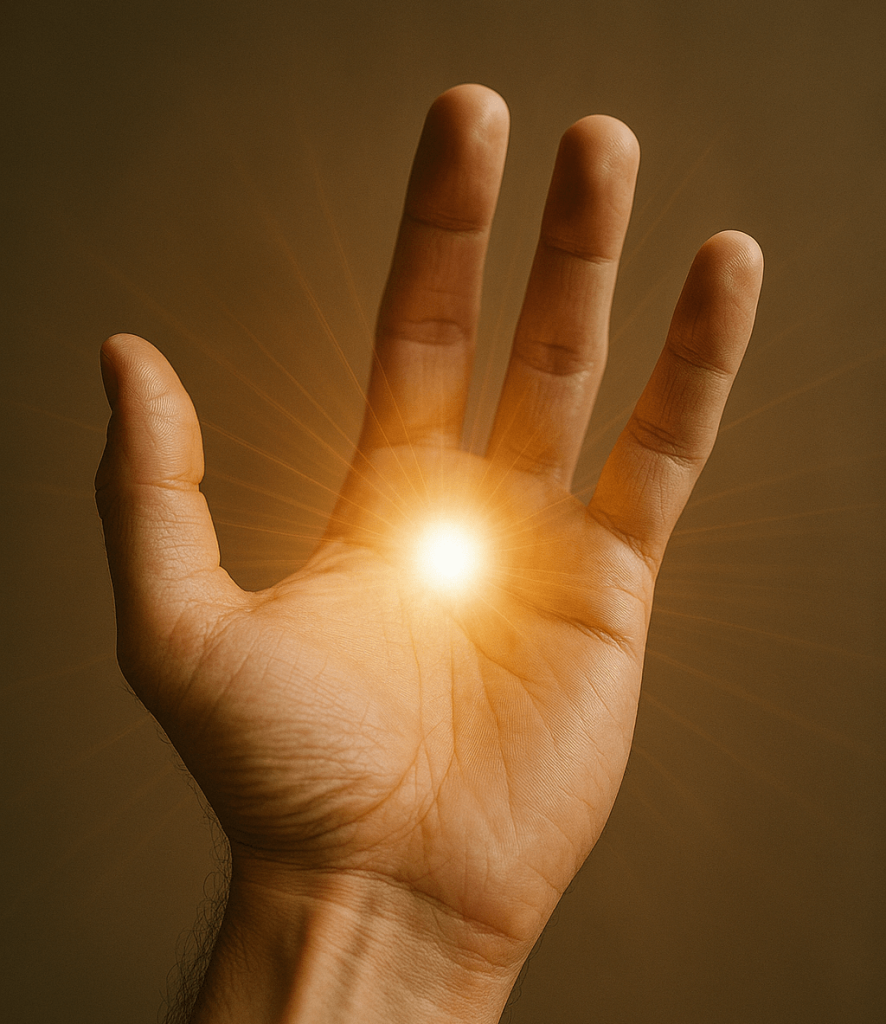
Reiki is a gentle, hands-on healing technique. It started in Japan in the early 1900s. A man named Mikao Usui developed it. He was searching for a way to bring deep calm and healing without medicine or tools. The word comes from two Japanese words: rei, meaning universal, and ki, meaning life energy. Put together, Reiki means “universal life energy.”
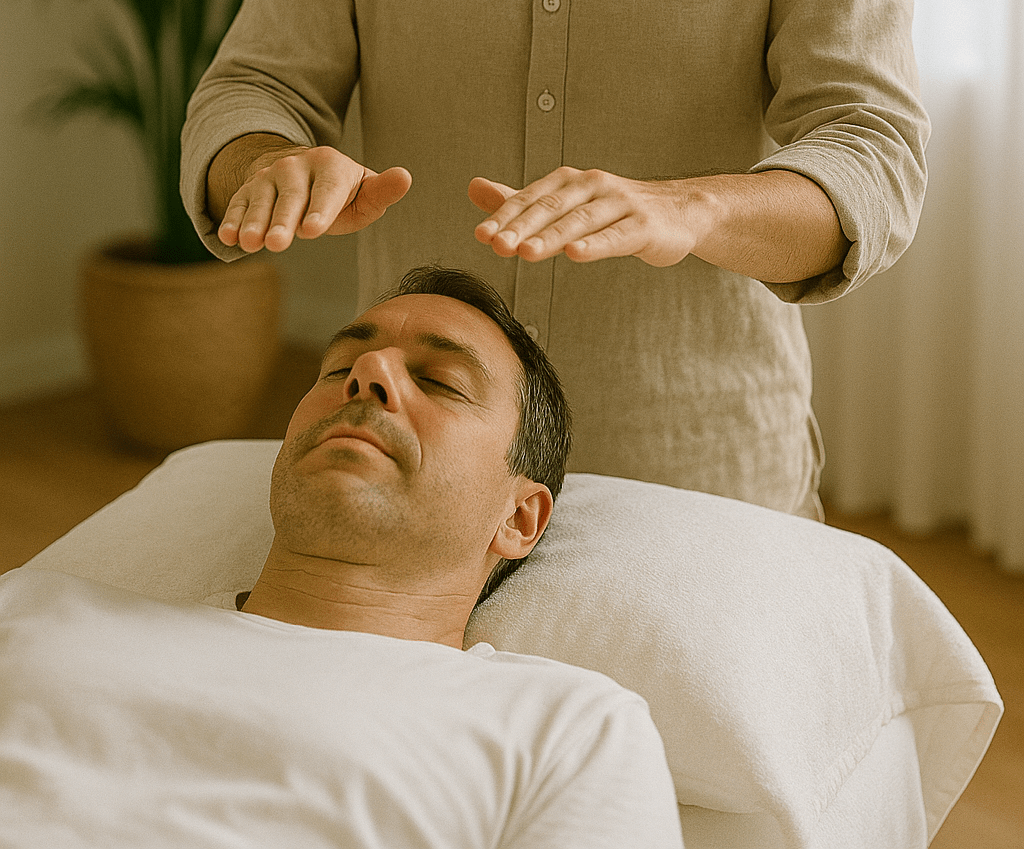
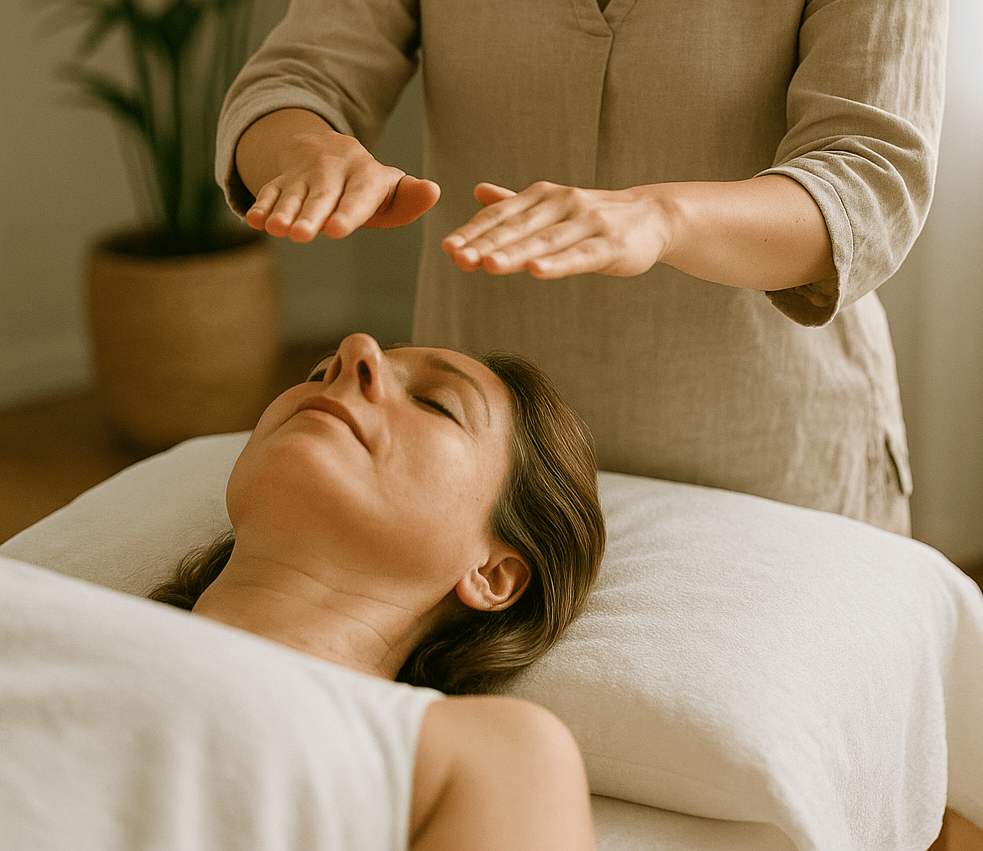
The idea is simple. Your body has natural energy flowing through it. When that energy gets blocked or runs low, you can feel it. It shows up as stress, fatigue, tension, or just being “off.” A Reiki practitioner uses light touch, or holds their hands just above the body, to help that energy flow again.
You stay fully clothed the whole time. There’s no massage. No pressure. No working of the muscles. It’s calm, quiet, and slow. Many people compare it to a deeply relaxing meditation, but one where someone else is guiding the calm for you.
Reiki has spread from Japan to clinics, spas, and homes all over the world. Today it’s used alongside regular healthcare in many hospitals and hospices. That alone tells you something. It’s gentle enough to be safe for almost anyone, yet valued enough that medical teams welcome it as extra support for patients.
You might also hear practitioners talk about energy centers, sometimes called chakras. The idea is that energy flows through specific points in your body, from the top of your head down to your feet. When one of these points feels blocked, it can show up as tension in a particular area, like tight shoulders or a heavy chest. A Reiki practitioner may spend extra time on these spots. You don’t need to understand or believe in this idea for the treatment to help you relax. It’s simply the framework some practitioners use to guide where they place their hands.
What is Reiki healing good for?
People come to Reiki for all kinds of reasons. The most common ones we hear are:
- Stress and anxiety. Many clients say a session leaves them calmer than they’ve felt in weeks. The slow pace and quiet touch give your nervous system a real chance to downshift.
- Poor sleep. The deep relaxation often carries over into better sleep that night. Some clients book a session specifically before a stressful week, just to reset their sleep pattern.
- Emotional overwhelm. Grief, burnout, or a hard stretch of life can all benefit from the stillness Reiki creates. It gives you space to simply feel, without having to talk it all through.
- General tension. Even without a specific problem, Reiki can simply help you reset. A lot of clients come in just because life has been a lot, and they want an hour where nothing is expected of them.
- Recovery support. Some people use Reiki alongside recovery from surgery, illness, or a hard physical stretch, as a way to support rest and calm. It won’t speed up physical healing on its own, but the deep relaxation can make a difficult recovery period feel more manageable day to day.
It’s worth being honest here. Reiki is not a replacement for medical treatment. No good practitioner will tell you it is. Think of it as extra support. It works alongside your regular healthcare, not instead of it. If you’re managing a medical condition, always keep your doctor in the loop.
What actually happens during a Reiki session?
Here’s a simple walkthrough, so you know what to expect.
- A short chat first. Your therapist asks what’s brought you in and where you feel tense or stressed. This isn’t a long consultation. It’s just enough so your therapist can focus where you need it most.
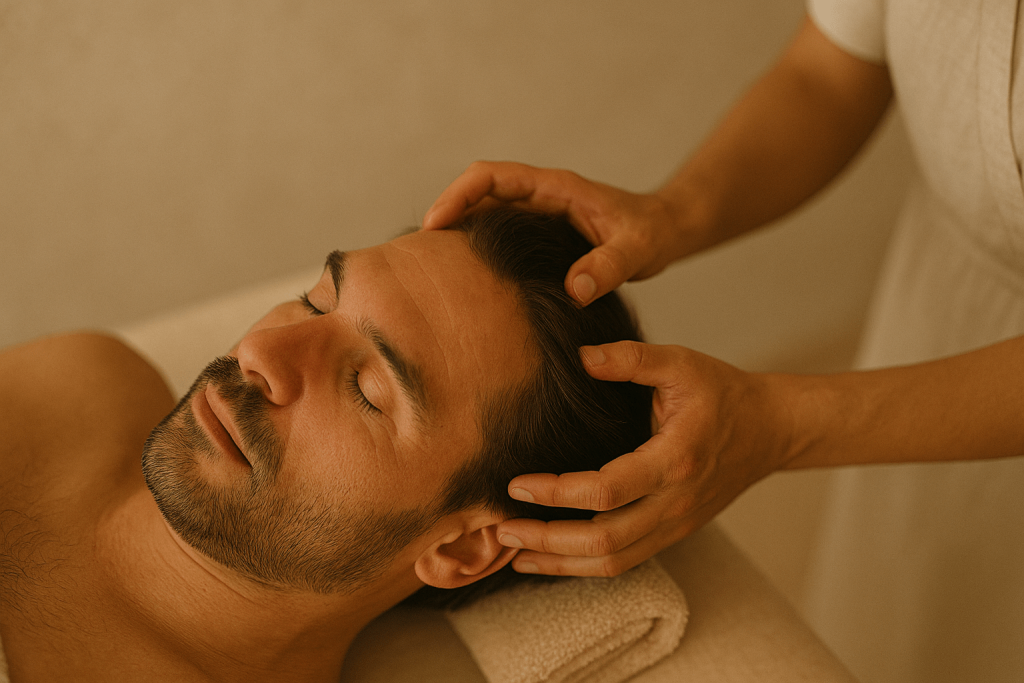
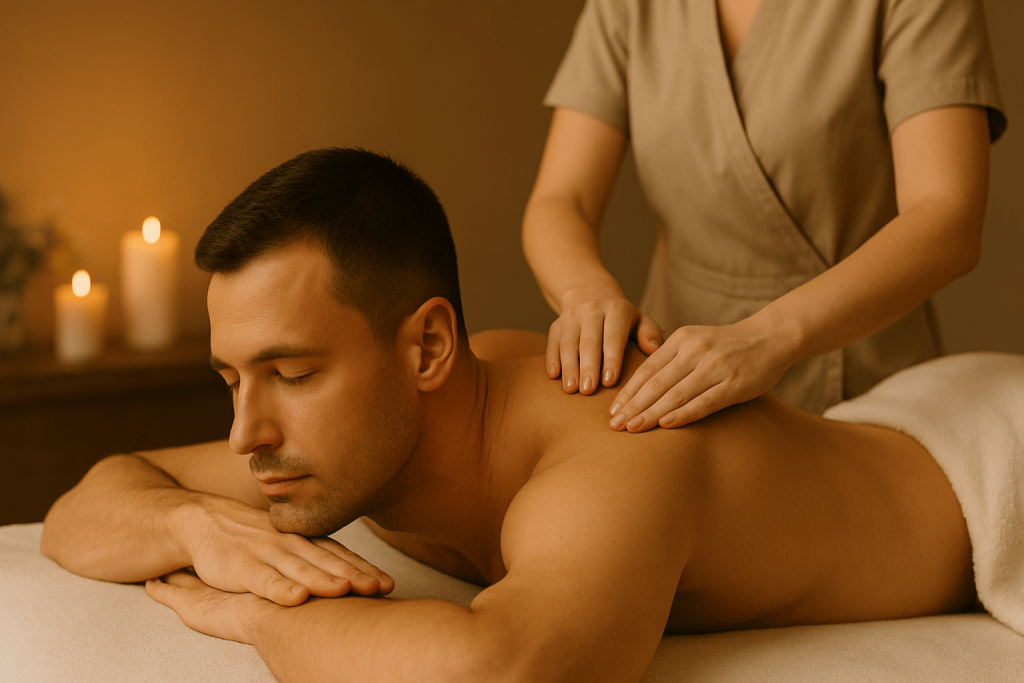
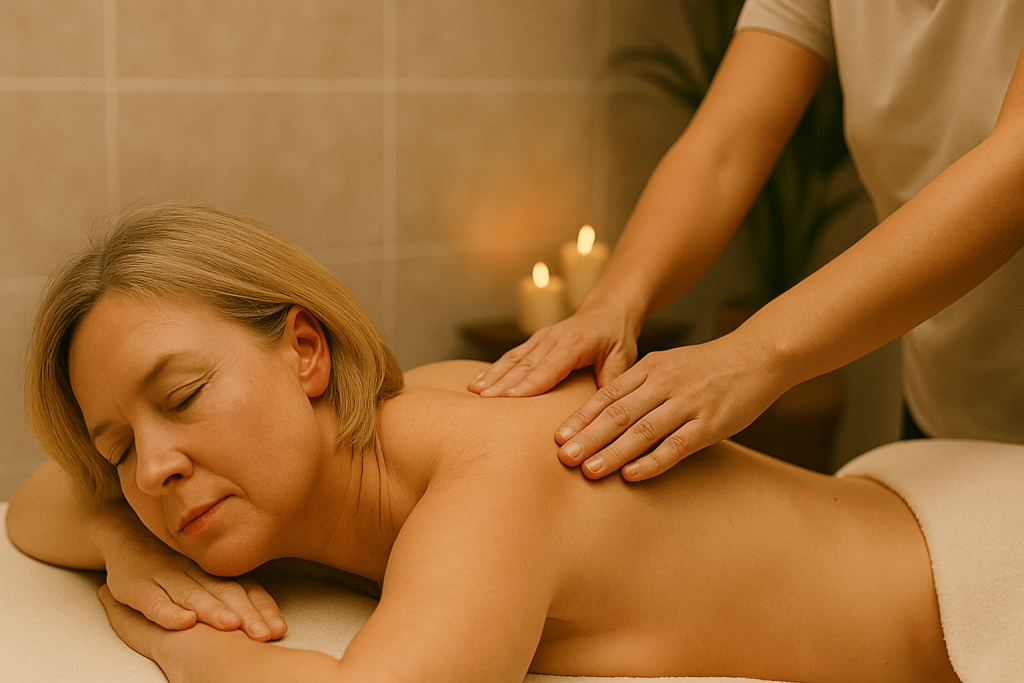
- You lie down, fully clothed. You’ll get comfortable on a treatment table with a blanket, soft lighting, and calm music. Most people find this part alone starts to ease their shoulders down from their ears.
- Light touch, or hands held just above you. The practitioner usually starts at your head and works down toward your feet, pausing at different points along the way.
- You relax. Most people either doze off or feel deeply calm. Some feel warmth or light tingling under the practitioner’s hands. Others feel nothing dramatic at all, and that’s completely normal too. There’s no right way to experience Reiki.
- A gentle chat afterward. Your therapist checks in on how you feel and answers any questions. Some people feel instantly lighter. Others notice the effects more the next day, once they’ve had a proper night’s sleep.
A typical session runs 45 to 60 minutes. There’s no pain and no pressure. You just lie back and let it happen.
Does Reiki actually work?
This is the question most beginners really want answered. The honest answer is that the science on Reiki is still developing. Large medical studies are limited, and results vary. But the calming effect it creates is well documented. Slowing down, being touched gently, and giving yourself 45 quiet minutes has real, measurable effects on stress. Your heart rate slows. Your breathing deepens. Your body shifts out of high alert mode. That happens whether or not you believe in the energy side of things.
Many clients don’t come back because they’ve bought into the theory. They come back because they leave feeling lighter, calmer, and more able to cope with whatever’s going on in their life. That’s reason enough for a lot of people. Reiki doesn’t ask you to believe anything. It just asks you to lie down and let yourself rest.
Is Reiki right for you?
Reiki tends to suit you well if:
- You’re dealing with stress or a busy, overloaded life
- You want a treatment with no deep pressure or muscle work
- You’re curious about energy work but want a low-pressure way to try it
- You just want a moment of real stillness in your week
Do you prefer firm, physical pressure to ease pain? Then deep tissue massage might suit you better. That treatment works directly on tight muscles and knots, using real pressure to release tension. Reiki works differently — it’s about calming your whole system rather than targeting one sore spot.
Not sure which fits? Our guide to choosing between Swedish, deep tissue, and Thai massage can help. Or just ask us when you book. We’re happy to talk you through the options.
Frequently asked questions
Is Reiki safe? Yes. It’s gentle, drug-free, and non-invasive. There’s no pressure applied, and nothing you can do wrong. It’s suitable for almost everyone, including people who are pregnant, recovering from illness, or simply sensitive to touch.
Do I need to believe in energy for it to work? No. Many clients come in unsure and simply enjoy the deep relaxation. You don’t need any prior experience or belief system to benefit from an hour of genuine stillness.
What should I wear? Comfortable, loose clothing. You stay fully dressed the whole time, so there’s no need to undress or change.
How many sessions will I need? That depends on you. Some people book one session for a stressful week. Others make it a regular part of self-care, much like how you might think about massage frequency. A monthly session works well for ongoing stress management. A single session can help you through a particularly hard patch.
Will I feel anything during the session? Most people feel warmth, light tingling, or a sense of deep calm. Some feel nothing physical at all and simply relax completely. Both are completely normal responses.
Can Reiki help with anxiety? Many clients report feeling calmer and less anxious after a session. The slow, gentle nature of the treatment gives your nervous system space to settle, which many people find helpful alongside their usual anxiety management.
Can I fall asleep during a session? Yes, and it’s common. Many clients drift off partway through. Your practitioner won’t wake you unless the session has ended, so there’s no need to fight it if your body wants to rest.
Is Reiki only for spiritual people? Not at all. Plenty of clients come purely for the relaxation and stress relief, with no interest in the spiritual side. You can take from Reiki whatever feels useful to you, and leave the rest.
Ready to try it for yourself?
If you’re curious about Reiki, the best way to understand it is to try it. Our Reiki sessions run daily from 11am to 9pm at Unit 2A The Coombe, The Liberties, Dublin 8.
👉 Book your Reiki session 📞 Call or text 089 252 4848 📸 Follow us on Instagram @healing.massage.reiki.dublin for behind-the-scenes looks at our treatments